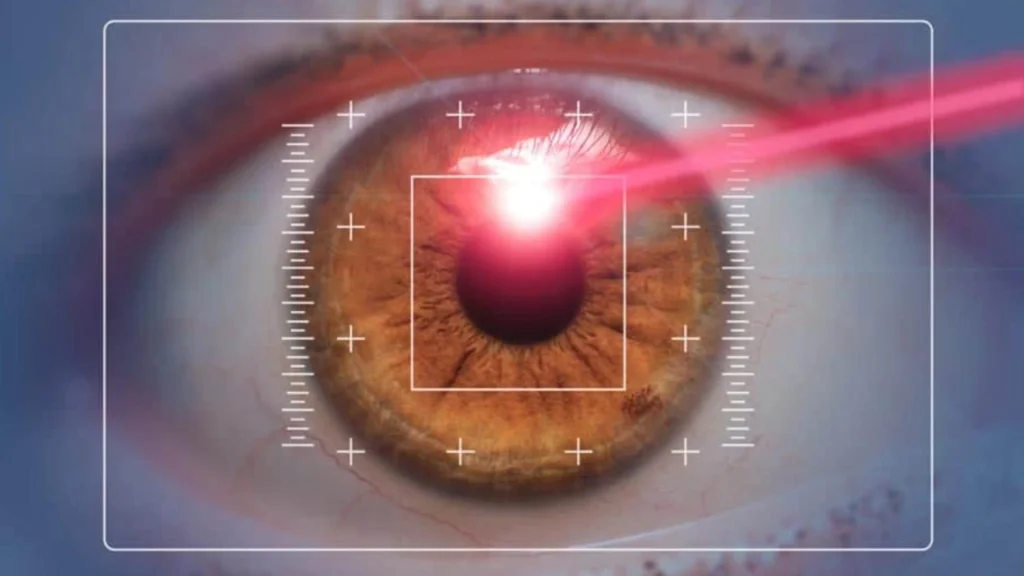
LASIK (Laser-Assisted in Situ Keratomileusis) surgery is a popular eye procedure that can correct common refractive vision problems such as nearsightedness, farsightedness, and astigmatism. It uses a laser to reshape the cornea, improving how light is focused onto the retina. While LASIK surgery has helped millions regain clear vision, there is an important factor to consider before opting for this procedure: the LASIK surgery age limit.
Minimum Age Requirement for LASIK Surgery
One of the first considerations when it comes to LASIK surgery is the minimum age limit. LASIK surgeons typically recommend that patients be at least 18 years old before undergoing the procedure. This is because, at this age, the eyes have usually reached a point of maturity, and the refractive error (like nearsightedness or farsightedness) has stabilized. During the teenage years, the eyes can still be changing, which means that a person’s prescription for glasses or contact lenses could shift. This could lead to less predictable LASIK results.
In rare cases, LASIK surgery may be considered for younger patients, but they must meet the condition of having a stable prescription for at least a year. If a younger person has a rapidly changing prescription, LASIK may not be the right choice. Stability of your vision is critical for the surgery to provide lasting and effective results. For example, just as the Jaya Kishori Age is a fixed point in her journey, your eye prescription must also reach a point of stability before considering LASIK surgery.
Maximum Age Considerations
While the minimum age is well established, the maximum age limit for LASIK surgery is less clear-cut. LASIK can be performed on patients in their 40s and early 50s, though there are some important factors to consider. After the age of 40, many individuals begin to experience presbyopia, a condition that affects the eye’s ability to focus on nearby objects. Presbyopia is a natural part of the aging process, and it happens because the lens inside the eye becomes less flexible over time.
This condition is important when discussing the LASIK surgery age limit because LASIK can’t correct presbyopia. While LASIK can improve distance vision, patients who develop presbyopia after the procedure may still need reading glasses for close-up tasks. In fact, even people who have had perfect distance vision for much of their life may still find themselves needing reading glasses as they age.
LASIK Surgery and Patients Over 50
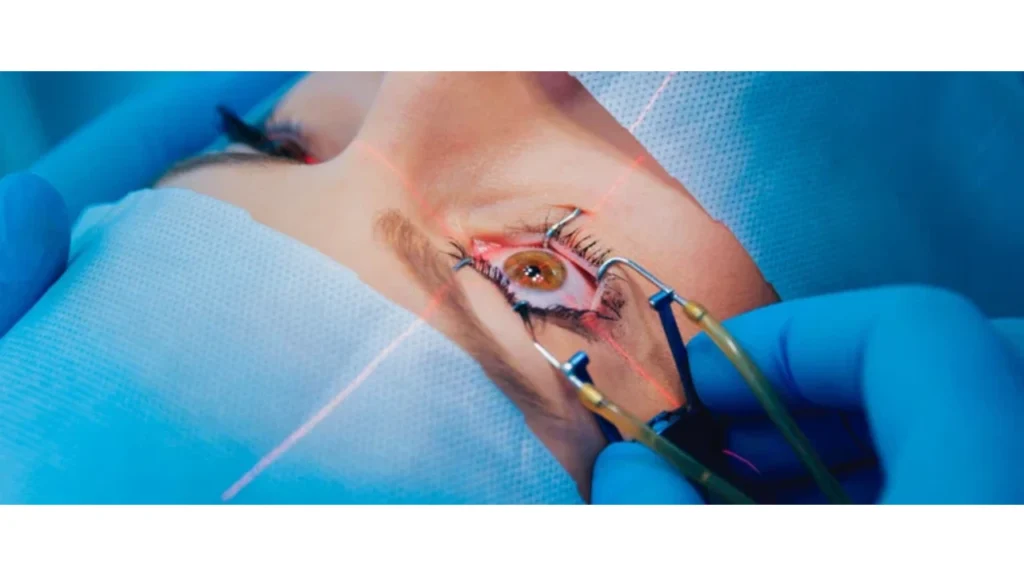
As you approach the age of 50, the consideration of the LASIK surgery age becomes even more crucial. It’s not that LASIK is necessarily off the table, but there are a few more factors to assess. After 50, many individuals experience more significant changes in their vision, including the development of cataracts. Cataracts cause clouding of the eye’s lens, which can significantly impair vision. In such cases, LASIK would not be effective, and the patient would need to address cataracts first through cataract surgery.
For those over 50 who are in good health and have stable vision, LASIK can still be an option. However, presbyopia is more likely to affect their ability to focus on close objects, and reading glasses may still be necessary. For some patients, lens replacement surgery may be a more appropriate alternative to LASIK if they are concerned about presbyopia or other age-related eye issues.
Factors That Affect LASIK Eligibility Beyond Age
In addition to age, there are other factors that can influence whether you are a good candidate for LASIK surgery. For example, your eye health plays a significant role in determining whether LASIK is a viable option. Conditions like dry eye syndrome, corneal diseases, or thin corneas can make LASIK surgery more complicated or risky. People with these conditions may not be eligible for LASIK and might need to explore alternative options like PRK (photorefractive keratectomy) or other refractive surgeries.
Another key factor to consider is the stability of your prescription. LASIK is most effective for individuals who have had stable vision for at least a year. If your prescription is still changing, there’s a chance that the surgery won’t provide lasting results. This is particularly important for people in their late teens or early twenties, whose eyes may still be undergoing changes.
Why Age Matters for LASIK Surgery?
Understanding the LASIK surgery age limit is not just about the procedure itself; it’s also about the overall health and stability of your eyes. LASIK surgery works by reshaping the cornea to focus light correctly onto the retina. The procedure requires a stable and healthy cornea to achieve the best results. As we age, several changes occur in the eyes that can affect this stability. For example, the cornea may become thinner, and presbyopia may develop, which can complicate the surgery’s effectiveness.
Younger individuals are generally more likely to have a stable prescription and fewer age-related eye health concerns, which is why LASIK is most commonly performed on people between the ages of 18 and 40. As we age, our vision needs evolve, and LASIK may not be the best solution for addressing all types of vision problems, particularly those associated with aging.
When LASIK Might Not Be the Best Choice?
As with any medical procedure, LASIK surgery is not for everyone. If you fall outside the typical LASIK surgery age limit or have other eye health issues, LASIK may not be the most effective treatment for you. For individuals over 40, presbyopia will often mean that LASIK can’t fully address all of your vision needs, and you may still need reading glasses for near tasks. In some cases, lens replacement surgery or cataract surgery may be more appropriate.
In cases where patients have conditions like dry eyes, thin corneas, or other underlying eye diseases, LASIK may not be safe or effective. It’s essential to have a comprehensive eye examination and consultation with an eye surgeon to determine the most suitable vision correction option for your unique.
Conclusion
The LASIK surgery age limit is an important factor to consider when deciding if this procedure is right for you. While LASIK can be an effective solution for many people, it’s not suitable for everyone. If you’re under 18, LASIK surgery may not be recommended due to the potential for changes in your vision. If you’re over 40 or 50, the development of presbyopia and other age-related changes in the eyes may limit the effectiveness of LASIK, and other options may be more appropriate.
Ultimately, the best way to determine if LASIK is the right choice for you is to consult with a qualified eye surgeon. They will assess your eye health, stability of your prescription, and other factors to help you decide on the most appropriate treatment. The LASIK surgery age limit is just one part of the equation, and your overall health and vision needs should guide your decision. With the right guidance, LASIK can provide clear, lasting vision for many individuals, regardless of their age.