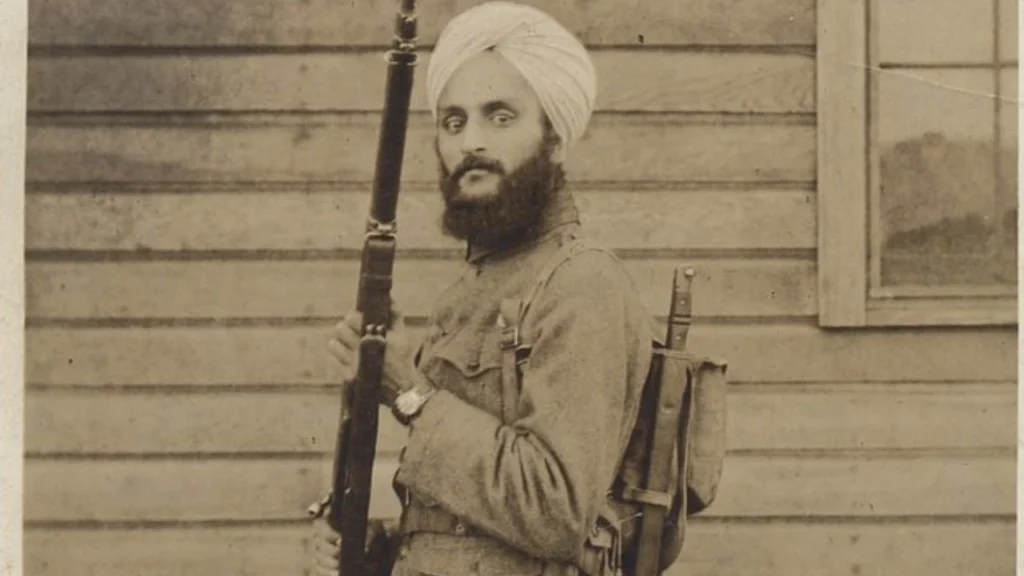
Bhagat Singh Height remains one of the most respected freedom fighters in Indian history. His courage, ideas, and sacrifice made him a major figure in the Indian independence movement. Many people search for bhagat singh height because they want to know personal details about the revolutionary along with his better-known life story.
Who is Bhagat Singh?
Bhagat Singh was born on 28 September 1907 into a Sikh family in Banga, Lyallpur District, Punjab. His family had strong connections with India’s freedom movement. His father, Sardar Kishan Singh, supported nationalist activities, while his uncles Ajit Singh and Swaran Singh also became associated with resistance to British rule. Bhagat Singh grew up during a period of major political change. The British government controlled India, while many Indians demanded greater political rights and independence.
Height
The commonly reported Bhagat Singh height is around 5 feet 10 inches, which is approximately 178 centimeters. However, readers should understand that this measurement is not supported by a widely accepted primary historical record. Most reliable historical biographies focus on his political activities, education, writings, arrests, and execution rather than his physical measurements. Similar celebrity searches, such as Arbaaz Khan Height, often have more readily available measurements because modern actors have profiles that document physical details.
| Height Detail | Information |
|---|---|
| Commonly reported height | 5 feet 10 inches |
| Height in centimeters | Approximately 178 cm |
| Height in meters | Approximately 1.78 m |
| Official measurement | Not widely verified |
| Height status | Commonly reported estimate |
How Did Bhagat Singh Go Viral?
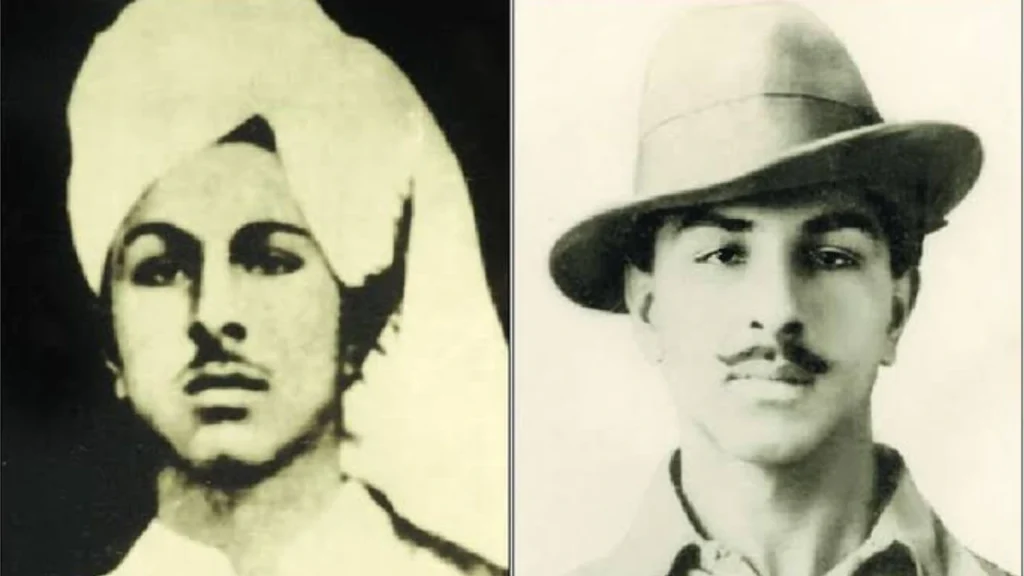
Bhagat Singh did not become “viral” in the modern social media sense because he lived long before television, the internet, and social networking platforms. Instead, his fame spread through newspapers, political discussions, public support, court proceedings, and reports about his revolutionary activities. His participation in the 1929 Central Legislative Assembly bombing brought major public attention. His hunger strike in prison further increased his popularity among supporters.
| Major Event | Impact on His Fame |
|---|---|
| Revolutionary activities | Increased public awareness |
| Saunders case | Made him widely known |
| Assembly bombing | Brought major national attention |
| Prison hunger strike | Increased public sympathy |
| Execution in 1931 | Turned him into a lasting martyr |
Influencer Reach
Bhagat Singh was not an influencer in the modern digital meaning of the word. He had no social media accounts, YouTube channel, or online followers because he lived from 1907 to 1931. However, his influence became extremely large through his writings, speeches, revolutionary activities, and public image. His ideas about independence, equality, socialism, and political change continued to influence later generations.
| Influence Area | Details |
|---|---|
| Social media followers | Not applicable |
| Newspapers | Important source of public awareness |
| Youth influence | Strong influence on young nationalists |
| Political writings | Continued to attract readers |
| Historical influence | Remains significant today |
| Modern recognition | Books, films, memorials, and education |
What Is Bhagat Singh Doing Now?
Bhagat Singh died on 23 March 1931, so he is not alive today and cannot be described as currently working or creating content. He was executed by the British authorities at Lahore at the age of 23, alongside Rajguru and Sukhdev. His legacy, however, remains active through historical research, memorials, educational programs, books, films, and public commemorations. His writings continue to be discussed by people interested in India’s independence movement and revolutionary political thought.
| Current Status | Information |
|---|---|
| Status | Died in 1931 |
| Date of death | 23 March 1931 |
| Age at death | 23 years |
| Current activities | None |
| Present legacy | Historical and cultural influence |
| Remembered for | Revolution, writings, courage, and sacrifice |
Biography
Bhagat Singh was born in September 1907 in the Punjab region of British India. Sources differ slightly on whether his birth date was 27 or 28 September, although 28 September is widely observed for his birth anniversary. His family had strong connections with nationalist activities, which exposed him to political ideas from an early age. He later became associated with organizations such as the Naujawan Bharat Sabha and the Hindustan Socialist Republican Association.
| Biography Detail | Information |
|---|---|
| Full name | Bhagat Singh |
| Birth year | 1907 |
| Birthplace | Banga, Punjab, British India |
| Present-day location | Punjab, Pakistan |
| Nationality | Indian |
| Main field | Revolutionary activism |
| Major organization | HSRA |
| Death | 23 March 1931 |
Age
Bhagat Singh was 23 years old when he died. Historical sources place his birth in September 1907 and his execution on 23 March 1931. His young age is an important part of his historical story because he achieved major recognition while still in his early twenties. His commitment to revolutionary politics began during his teenage years and continued until his execution.
| Age Detail | Information |
|---|---|
| Birth year | 1907 |
| Death year | 1931 |
| Age at death | 23 years |
| Active political years | Mainly his teenage years and early adulthood |
| Birth anniversary | Commonly observed on 28 September |
Family
Bhagat Singh came from a politically active family. His father was Kishan Singh, while his mother was Vidyavati. His family environment exposed him to nationalist ideas during his childhood. His uncle Ajit Singh was also involved in opposition to British rule. This background played an important role in shaping Bhagat Singh’s early interest in India’s political situation.
| Family Member | Relationship |
|---|---|
| Kishan Singh | Father |
| Vidyavati | Mother |
| Ajit Singh | Uncle |
| Swaran Singh | Uncle |
| Family background | Strong nationalist connections |
Relationship
Bhagat Singh did not marry and had no wife or children. Historical accounts generally explain that he chose to dedicate his life to the independence movement instead of pursuing marriage. His commitment to revolutionary activities became the central focus of his short adult life. Therefore, modern searches about Bhagat Singh’s girlfriend, wife, or married life often produce claims that should be checked carefully against historical evidence.
| Relationship Detail | Information |
|---|---|
| Marital status | Unmarried |
| Wife | None |
| Children | None |
| Main commitment | Indian independence movement |
| Personal life | Focused heavily on revolutionary work |
Career
Bhagat Singh’s career was primarily connected with revolutionary politics and political writing. He became associated with the Hindustan Socialist Republican Association, which promoted revolutionary action against British rule. He also participated in the Naujawan Bharat Sabha and wrote about political and social issues. His activities included organizing, political protest, revolutionary campaigns, and prison activism.
| Career Area | Contribution |
|---|---|
| Revolutionary activism | Opposed British colonial rule |
| Political organizations | Naujawan Bharat Sabha and HSRA |
| Writing | Produced political and ideological writings |
| Public protest | Participated in major revolutionary actions |
| Prison activism | Joined hunger strikes and political protests |
| Historical legacy | Became a major revolutionary symbol |
Net Worth
There is no reliable historical basis for giving Bhagat Singh a modern net worth figure. He was a revolutionary activist, not a modern celebrity or businessperson who accumulated wealth through commercial activities. Websites that provide specific net worth numbers for him should be treated cautiously because they generally do not provide strong historical evidence.
| Financial Detail | Information |
|---|---|
| Net worth | Not reliably documented |
| Profession | Revolutionary activist |
| Major income source | No reliable record |
| Business empire | None documented |
| Luxury assets | No reliable evidence |
| Historical significance | Based on ideas and sacrifice |
Education
Bhagat Singh received his early education in Punjab and later studied at Dayanand Anglo-Vedic institutions and National College in Lahore. His education was important because he developed a strong interest in history, politics, literature, and revolutionary thought. Biography.com lists Dayanand Anglo Vedic High School and National College among the educational institutions connected with him.
| Education Detail | Information |
|---|---|
| Early schooling | Dayanand Anglo-Vedic educational system |
| Higher studies | National College, Lahore |
| Main interests | History, politics, literature, and philosophy |
| Learning style | Formal education and extensive reading |
| Educational influence | Helped shape his political thinking |
Lifestyle and Assets
Bhagat Singh lived a relatively simple life because his main focus was revolutionary activity rather than wealth or luxury. His lifestyle changed as he became more deeply involved in political work and eventually spent significant time in prison. Historical records focus much more on his revolutionary activities than on personal possessions. There is no credible record of a large personal property portfolio, luxury collection, or celebrity-style lifestyle.
| Lifestyle Detail | Information |
|---|---|
| Lifestyle | Simple and politically focused |
| Main interest | Revolutionary and intellectual work |
| Luxury lifestyle | No reliable evidence |
| Major assets | Not reliably documented |
| Famous appearance | Hat and moustache became iconic |
| Personal priority | Political and revolutionary activities |
Awards and Achievements
Bhagat Singh did not receive modern government awards during his lifetime. His major achievements came through his role in India’s independence movement and his lasting influence on political thought. His participation in revolutionary activities, political writing, prison hunger strikes, and public protests made him one of the best-known young revolutionaries of the period.
| Achievement | Significance |
|---|---|
| Revolutionary activism | Challenged British colonial rule |
| HSRA involvement | Became part of a major revolutionary organization |
| Assembly protest | Gained widespread public attention |
| Hunger strike | Highlighted prison conditions |
| Political writings | Developed ideas about revolution and society |
| Martyrdom | Became a lasting symbol of sacrifice |
Conclusion
Bhagat Singh remains one of the most recognizable figures connected with India’s independence movement. Although searches for Bhagat Singh height often focus on his physical appearance, his real historical importance comes from his revolutionary activities, political ideas, writings, and sacrifice. The commonly reported height of 5 feet 10 inches or about 178 cm should be understood as an estimate because an authoritative primary source confirming the exact measurement is not widely available.