You mix a great brightener, but it irritates the skin. You add a soother, but the emulsion crashes. Sound familiar? We see this every day on the lab bench.
Working with botanical actives can be a headache. You want the power of licorice root. You do not want the dark brown color or the sticky resins messing up your pristine white cream. This is where isolating specific molecules changes the game entirely. We are talking about pure, targeted chemistry. Not crude plant soup.
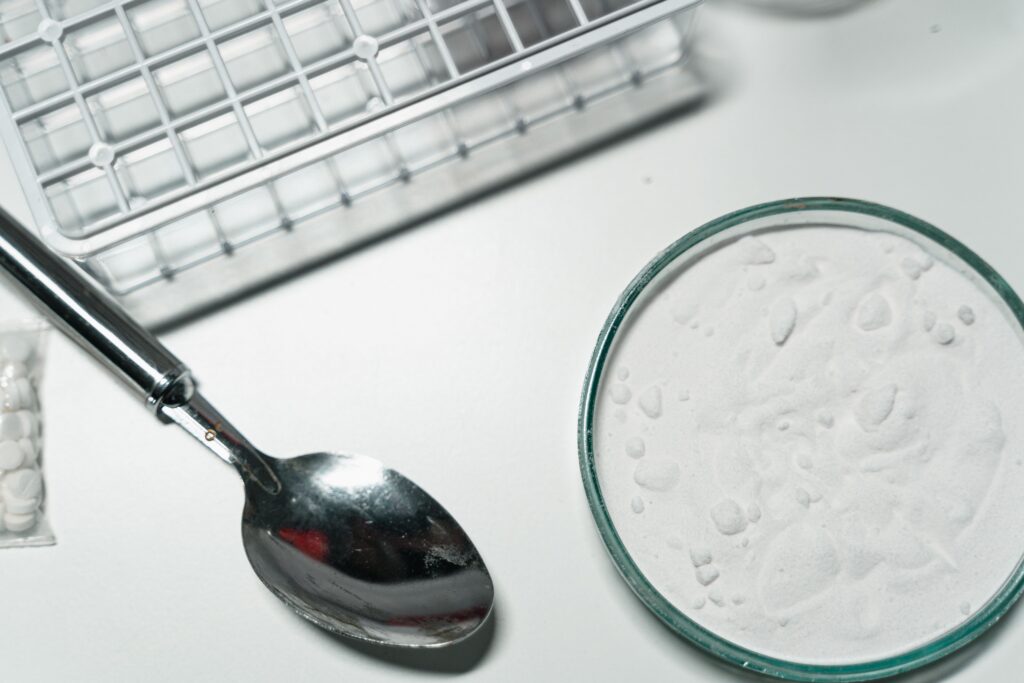
Let us clear up a major lab misconception right now. High purity Glabridin powder is white. Not tan. Not light brown. White. When you source the 99% purity grade from us at glabridin.net, you are getting a highly refined ingredient. It stops the tyrosinase enzyme cold. It does not alter your final color profile. It does not smell like dirt.
Then you have Stearyl Glycyrrhetinate. The unsung hero of the mixing vat. It is the lipid soluble relative in the licorice family. Why put them in the same tank? Because you have to look at the pigmentation loop realistically.
UV hits the skin. The barrier gets stressed. An alarm goes off in the cells. That alarm tells the melanocytes to panic and pump out pigment. Most formulas just attack the melanocytes. That is a half measure. You need to cut the alarm wire first. Stearyl Glycyrrhetinate cuts that wire. It stops the stress signals. Then Glabridin steps in. It quietly shuts down the melanin factory. You tackle the cause and the effect simultaneously.
We manufacture these actives. We know exactly how they behave under shear stress and heat. Here are the hard numbers you need for your formulation sheets.
| Specification | Glabridin | Stearyl Glycyrrhetinate |
| INCI Name | Glabridin | Stearyl Glycyrrhetinate |
| Botanical Source | Licorice Root Extract (Glycyrrhiza glabra) | Licorice Root Extract |
| Purity Level | Up to 99% | ≥ 95% |
| Appearance | White powder | White to off-white crystalline powder |
| Solubility | Butylene Glycol, Propylene Glycol | Lipids, Ethanol, Cosmetic Oils |
| Temperature Tolerance | Heat sensitive (Keep below 40°C) | High melting point (~75°C) |
| Formulation Phase | Post-emulsification / Cool-down phase | Oil / Lipid phase |
| Recommended Usage | 0.01% – 0.1% | 0.1% – 0.5% |
| Primary Mechanism | Tyrosinase inhibition | Cellular stress and irritation reduction |
| Supplier | glabridin.net | glabridin.net |
Let us talk about the realities of scale up.
Glabridin is notoriously finicky with heat. Do not throw it in your main water phase and boil it. You will destroy the active molecule. Pre dissolve it in a suitable glycol. Add it post emulsification. Keep your temperature strictly below 40 degrees Celsius. Control your pH between 5.5 and 7.0. Drift outside that range, and you risk losing efficacy.
Stearyl Glycyrrhetinate acts completely differently. It loves your oil phase. It has a high melting point. Heat your lipids to about 75 degrees Celsius. Make sure the powder is completely clear before you even think about combining phases. If you rush this heating step, you get crystallization. Nobody wants a gritty lotion.
Think about the alternatives currently sitting in your compound room. Vitamin C oxidizes if you look at it wrong. Hydroquinone is a regulatory nightmare globally. Kojic acid turns your beautiful formula into a brown mess after three months in the stability oven.
This specific licorice duo bypasses those formulation headaches. You get the stability of an oil soluble soother. You get the sheer power of a 99% pure brightener. Your stability testing gets a lot less stressful. Your microbial counts stay clean.
Extraction is precision engineering. Getting Glabridin to 99% purity takes serious work. We strip away the heavy resins. We remove the color causing compounds. What you are left with is a highly specific molecule. That white powder is the result of countless filtration cycles. This matters to you as a formulator. It means predictable results. Batch after batch. No surprises when you scale up from a one liter beaker to a thousand kilo vat.
The same logic applies to Stearyl Glycyrrhetinate. The esterification process makes it lipophilic. The skin barrier is made of lipids. Water soluble ingredients just sit on top of the skin. They struggle to get in. A lipid soluble active slides right through. It goes exactly where the stress triggers are firing. Better penetration means you can use less active material and still get better results. That keeps your cost per kilo down.
Are you formulating for sensitive skin lines? Most brightening agents on the market are too aggressive. They cause micro tears. They disrupt the acid mantle. By pairing a high purity brightener with a strong soother, you create a self buffering system. Brightening without the burn. Consumers are tired of peeling their faces off to get rid of a dark spot. They want efficacy without the downtime.
We focus entirely on the active side of things. We do not just push powders out the door. We test them. We break them. We figure out exactly what makes them fail so you do not have to find out the hard way. Check the technical documents on our site. Look at the HPLC charts. We stand by the data because the data dictates the performance.
Grab your beakers. Adjust your phases. Drop the crude extracts and start working with isolated molecules that actually perform on the bench.