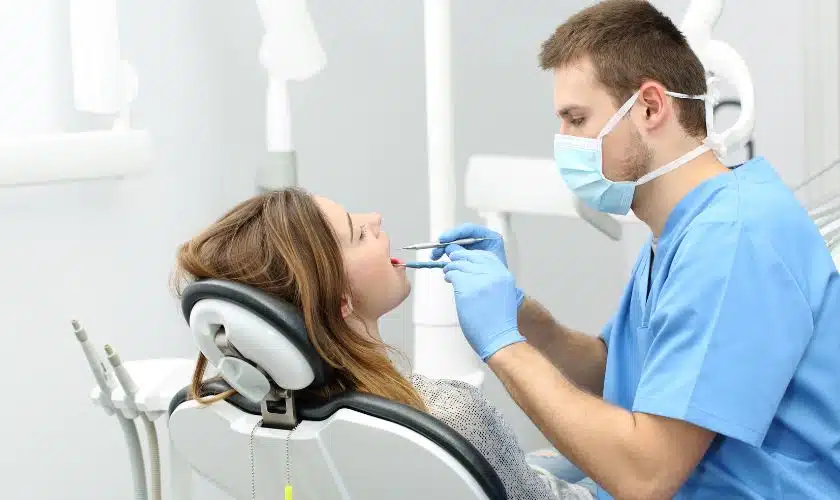
Dental emergencies rarely happen at a convenient time; they often strike during a weekend, in the middle of the night, or right before an important life event. While some minor dental issues can wait for a scheduled appointment, certain situations demand immediate clinical intervention to prevent permanent tooth loss, the spread of dangerous infections, or excruciating long-term pain. Distinguishing between a routine discomfort and a true crisis is a vital skill for maintaining your oral health and overall well-being. Many patients hesitate to seek help because they worry about the cost or assume the pain might subside on its own, but delaying treatment in a genuine emergency can lead to much more invasive and expensive procedures down the road.
A Emergency Dentist is not just about the tooth itself; it is about protecting the surrounding bone, gum tissue, and even your systemic health from the complications of untreated trauma or abscesses. This guide is designed to help you identify the seven most critical scenarios where time is of the essence.
By understanding these red flags, you can act with the confidence and speed necessary to save your smile. Knowing exactly when to pick up the phone and head to a specialized clinic can make the difference between a simple repair and a lifelong dental struggle.
Also Read: Lattafa: Why It’s Everywhere & How to Choose
1. A Permanently Knocked-Out Adult Tooth
Having a permanent tooth knocked out, also known as an avulsed tooth, is perhaps the most time-sensitive dental emergency you can face. The periodontal ligaments attached to the root of the tooth begin to die almost immediately once the tooth is out of its socket, creating a very narrow window for successful replantation. If you are currently dealing with a traumatic injury and need to find a qualified emergency dentist who can provide immediate restorative care, you must act within 30 to 60 minutes for the best chance of saving the natural tooth.
While you are in transit to the clinic, it is vital to handle the tooth only by the crown, never the root, and keep it moist by placing it in a container of milk or back inside your cheek. Do not attempt to scrub the tooth clean with soap or chemicals, as this will destroy the delicate living fibers needed for reattachment. An experienced dental team will prioritize your arrival, working quickly to stabilize the tooth and monitor the healing process to ensure that your smile remains intact and functional.
2. Severe, Throbbing Pain and Suspected Abscess
Unbearable, persistent tooth pain that radiates into your jaw, neck, or ears is often a sign of a periapical abscess, which is a pocket of infection at the tip of the root. This type of infection is a serious medical matter because it does not resolve on its own and can eventually spread to other parts of the body, including the brain or heart, if left untreated. You might notice a small, pimple-like bump on your gums, a foul taste in your mouth, or a fever accompanied by facial swelling.
An emergency dental visit is required to drain the infection and perform a root canal or extraction to remove the source of the bacteria. Waiting even 24 hours can allow the pressure to build to a point where the pain becomes completely unmanageable with over-the-counter medications. A professional diagnosis ensures that you receive the necessary antibiotics and localized treatment to stop the infection in its tracks, protecting your systemic health and providing immediate relief from the agonizing pressure.
3. A Cracked or Fractured Tooth with Exposed Pulp
Not all chips or cracks are emergencies, but a deep fracture that extends into the inner chamber of the tooth the pulp is a major crisis. When the pulp, which contains the nerves and blood vessels, is exposed to the air and bacteria in your mouth, it causes sharp, intense pain and leaves the tooth highly vulnerable to rapid infection. You can often identify this situation if the tooth is extremely sensitive to temperature or if you see a pink or red spot in the center of the break.
An emergency dentist will assess the depth of the fracture and determine if the tooth can be saved with a crown or if more extensive work is needed. Leaving a fractured tooth open to the elements even for a day can result in irreversible nerve death. Immediate stabilization not only alleviates the sharp pain but also seals the tooth from further bacterial invasion, preserving the structural integrity of your bite and preventing the need for an eventual extraction.
4. Uncontrolled Bleeding or Severe Soft Tissue Injury
Trauma to the mouth often involves more than just the teeth; it can result in deep lacerations to the tongue, lips, or cheeks. While minor nicks usually heal quickly, any injury that causes heavy, persistent bleeding that does not stop after fifteen minutes of firm pressure requires immediate professional attention. Deep wounds may need sutures to close the tissue and prevent scarring or infection. Furthermore, a severe blow to the mouth can cause a “luxated” tooth, which is a tooth that has been pushed out of its normal alignment but remains in the socket.
A dentist must reposition and splint the tooth to ensure the blood supply remains viable. If you are experiencing difficulty breathing or swallowing due to swelling or blood in the throat, you should go directly to the emergency room, but for localized oral bleeding, a dental clinic is the best place for specialized care. Quick action ensures that soft tissue heals correctly and that any underlying bone damage is addressed before complications arise.
5. A Lost or Broken Dental Restoration
Losing a filling or having a crown fall off might seem like a mere inconvenience, but it can quickly escalate into a painful emergency. The tooth structure underneath a restoration is often fragile and highly sensitive to pressure and temperature because the protective enamel has been removed. Without the crown or filling in place, the tooth can easily fracture further or become infected as food particles and bacteria become trapped in the crevices.
If the restoration is lost during a meal or while sleeping, you should see an emergency provider as soon as possible to have it recemented or replaced. In the meantime, you can use dental cement from a pharmacy as a temporary measure, but this is not a permanent fix. An emergency visit ensures that the underlying tooth is cleaned and protected, preventing the need for a more complex and expensive root canal that often follows when a tooth is left “open” to the environment for too long.
6. Significant Swelling of the Gums or Jaw
Visible swelling in the oral cavity is a clear indicator that something is wrong beneath the surface, usually related to a severe infection or a blocked salivary gland. If your jaw feels stiff or if you see a large, swollen area on your gums that feels warm to the touch, you should seek help immediately. Swelling can quickly progress to the point where it obstructs your airway or makes it impossible to open your mouth, a condition known as trismus. An emergency dentist will use diagnostic imaging to locate the source of the inflammation and provide treatment to reduce the pressure.
This often involves a combination of manual drainage and high-dose antibiotics to get the inflammatory response under control. Ignoring swelling is dangerous because it often indicates that the body’s natural defenses are being overwhelmed by an aggressive bacterial strain. Prompt intervention prevents the infection from migrating into the deep tissues of the neck, ensuring that a localized dental problem does not turn into a life-threatening medical emergency.
7. Sudden and Unexplained Tooth Sensitivity
While many people live with mild tooth sensitivity, a sudden and dramatic increase in pain when consuming hot or cold items can indicate a hidden emergency. This “lightning bolt” pain often signifies a vertical root fracture or a failing internal nerve that is not visible to the naked eye. If the sensitivity is so severe that it interferes with your ability to eat or speak, it should be evaluated by a professional right away.
An emergency dentist can perform vitality tests on the tooth to determine if the nerve is dying. Early detection of a root fracture or a pulpitis flare-up can often lead to a successful root canal, whereas waiting until the tooth becomes fully abscessed may leave extraction as the only option. By addressing the sensitivity before it turns into a constant, throbbing ache, you save yourself from days of discomfort and significantly increase the chances of maintaining your natural tooth structure for years to come.
Frequently Asked Questions (FAQs)
1. Is a chipped tooth always considered a dental emergency?
Not necessarily. If the chip is small, doesn’t hurt, and has no sharp edges cutting your tongue, it can usually wait for a regular appointment. However, if the chip is accompanied by pain or sensitivity, it suggests internal damage that needs immediate attention.
2. What should I do if a tooth is knocked out after hours?
Call an emergency dentist immediately. Many offices have an after-hours line for such cases. If you cannot reach anyone, go to an urgent care center or an emergency room, as they can sometimes provide temporary stabilization until a dentist is available.
3. Can I use aspirin directly on the gums to stop a toothache?
No. This is a common myth that can cause severe chemical burns to your gum tissue. Always swallow pain relievers with water. If you need topical relief, use a dedicated dental numbing gel or a cold compress on the outside of your cheek.
4. How can I prevent dental emergencies?
The best prevention is a combination of regular six-month checkups and wearing a custom mouthguard during contact sports. Also, avoid chewing on hard objects like ice, popcorn kernels, or hard candy, which are leading causes of fractured teeth.
5. What is the typical cost of an emergency dental visit?
The cost varies based on the treatment required, such as a simple filling versus a root canal. Most emergency visits include an exam and X-ray fee first. Many dental insurance plans cover emergency exams, but you should check your specific policy for details.
Conclusion
Navigating a dental emergency requires a calm mind and a quick response to ensure the best possible outcome for your oral health. Whether you are dealing with a knocked-out tooth, an agonizing abscess, or a sudden fracture, recognizing that these situations cannot wait is the first step toward recovery. An emergency dentist provides the specialized tools and expertise needed to manage acute pain and stop the progression of dangerous infections.
Remember that your natural teeth are irreplaceable, and the cost of an emergency visit is a small price to pay compared to the long-term complications of neglected trauma. By keeping the contact information of a reliable emergency clinic on hand and acting decisively when symptoms arise, you protect your smile and your overall well-being. Don’t let fear or uncertainty prevent you from seeking the help you need; professional dental care is your strongest ally in any oral health crisis, offering a path back to comfort and a healthy, functional smile.