Honesty is the most important step when choosing a phone that truly fits your life. Many people buy devices based on ads, trends, or recommendations that do not reflect how they actually use their phones day to day. Your phone is a tool that supports work, communication, entertainment, and organization, not a trophy item. When the choice matches your real habits, the phone feels helpful instead of frustrating. To guide you toward that clarity, in this article, we walk through a practical, lifestyle-first way to choose the right phone with confidence.
Also Read: Why Local Flower Delivery Services Create More Meaningful Gifts?
Step 1: Map Out Your Daily Phone Activities
Log Your Screen Time for a Week
Tracking screen time for one full week gives you a realistic picture of your habits. Many phones already show daily and weekly usage broken down by app. You may be surprised to learn how much time goes to messaging, video, or work-related tools. This data removes guesswork and replaces assumptions with facts. Once you see patterns clearly, your phone needs become much easier to define. You can also spot inefficient habits, like excessive time on social media, and adjust usage. Logging screen time encourages mindfulness about which apps truly matter in your daily routine.
Categorize Your Top 3 App Uses
After reviewing screen time, group your most-used apps into categories like communication, entertainment, productivity, or navigation. This step helps you understand what your phone truly supports in daily life. Someone who spends hours on video calls has very different needs than someone focused on photography or reading. Categorizing also highlights what you use rarely, which matters just as much. A phone that excels in your top three categories will feel far more satisfying long term. It also helps you avoid paying for features that you will rarely use, making your decision both practical and cost-efficient. Understanding your usage patterns ensures that the phone you select enhances, rather than complicates, your daily life.
Step 2: Identify Your Must-Have Features
The Big 3: Battery Life, Camera, or Performance?
Most users prioritize one of three core features, even if they do not realize it. Battery-focused users value all-day reliability without constant charging. Camera-focused users care about capturing moments clearly and effortlessly. Performance-focused users want smooth multitasking and responsiveness throughout the day. Knowing which one matters most helps narrow choices quickly and avoids overpaying for features you barely use. It also guides your decision when comparing phones in different price ranges. Recognizing your main priority prevents disappointment after purchase and ensures the device aligns with your lifestyle.
What’s a Nice-to-Have vs. a Deal-Breaker?
Not every feature deserves equal weight in your decision. Wireless features, advanced camera modes, or premium materials may sound appealing, but not essential. Deal-breakers are the features that would frustrate you daily if missing. Nice-to-haves are bonuses you can live without. Making this distinction protects your budget and ensures long-term satisfaction. It helps you focus on what actually improves your daily experience instead of chasing every possible upgrade. Clarity on priorities makes shopping more straightforward and less overwhelming.
Step 3: Consider Your Physical Lifestyle
Are You Rough on Devices or Mostly Desk-Bound?
Your physical environment plays a big role in phone durability needs. If your phone often falls, gets tossed into bags, or is used outdoors, durability matters more. Desk-bound users may prioritize comfort, screen quality, and long usage sessions. Lifestyle honesty prevents regret after purchase. A phone suited to your environment lasts longer and causes less stress. Understanding how you handle your device can also guide decisions about cases, screen protectors, and other accessories. This assessment ensures the phone can withstand real-world use rather than just theoretical expectations.
Do You Need Portability or a Big Screen?
Screen size affects daily comfort more than most specs. Large screens are great for reading, watching videos, and multitasking. Smaller or balanced designs are easier to carry, use one-handed, and fit into pockets. Think about commuting, travel, and how often you use your phone while moving. The right size should feel natural, not awkward. Portability also influences battery life and ease of storage. Evaluating your mobility needs ensures your choice fits seamlessly into your daily life without causing unnecessary inconvenience.
Step 4: Align Your Choice with Your Budget Reality
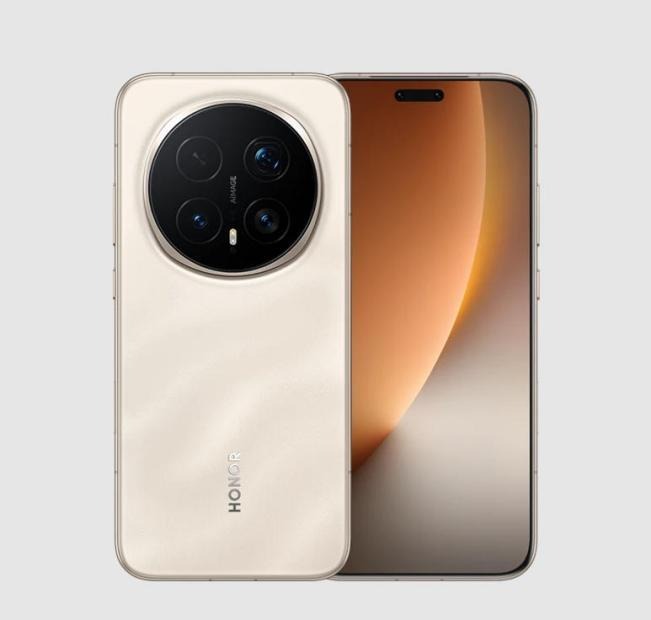
Budget is not about choosing the cheapest option, but about making a wise decision within your comfort zone. A phone should solve problems, not create financial pressure. Consider how long you plan to keep the device and the value it provides over time. Sometimes paying more upfront reduces frustration, repairs, or early replacement later. Reliable options are plentiful, and for example, choosing to buy HONOR Magic 8 Pro can be a practical choice, as it delivers a strong, dependable user experience at a reasonable price. Considering the total cost of ownership, including accessories and maintenance, helps avoid unexpected expenses and ensures your purchase is both functional and sustainable.
Conclusion
The best phone choice comes from understanding yourself, not chasing trends. When you align usage habits, priorities, physical lifestyle, and budget, the decision becomes clear and calm. A well-matched phone feels supportive instead of demanding attention. It fits naturally into your routines and quietly does its job well. With careful assessment, your next phone becomes more than a device—it becomes a tool that enhances your life every day.