
Term insurance Age Limit is a crucial aspect of financial planning, providing coverage for a specific period of time in exchange for regular premiums. When considering a term life policy, it’s important to understand the term insurance age limit, as it significantly impacts the policy’s terms, premium rates, and duration.
What is Term Insurance?
Term insurance is a life insurance policy that offers coverage for a specific term or period, such as 10, 20, or 30 years. If the policyholder dies during the term, the insurance company pays the beneficiary the death benefit. One of the main benefits of term life insurance is that it is typically more affordable compared to permanent life insurance policies. It provides a substantial death benefit at a lower premium, making it an attractive choice for individuals who want to ensure financial protection for their families in case of their untimely death.
Why is the Term Insurance Age Limit Important?
The term insurance age limit determines when you can start and stop your coverage. It influences the policy’s eligibility, premium rates, and the amount of coverage you can secure. Understanding these limits is essential because it helps you plan your policy around your specific needs, such as the number of years you want to be covered and your financial obligations. For example, knowing about someone’s age, like Akriti Negi age, can help you better understand the implications of age limits on insurance premiums and coverage.
Entry Age for Term Insurance
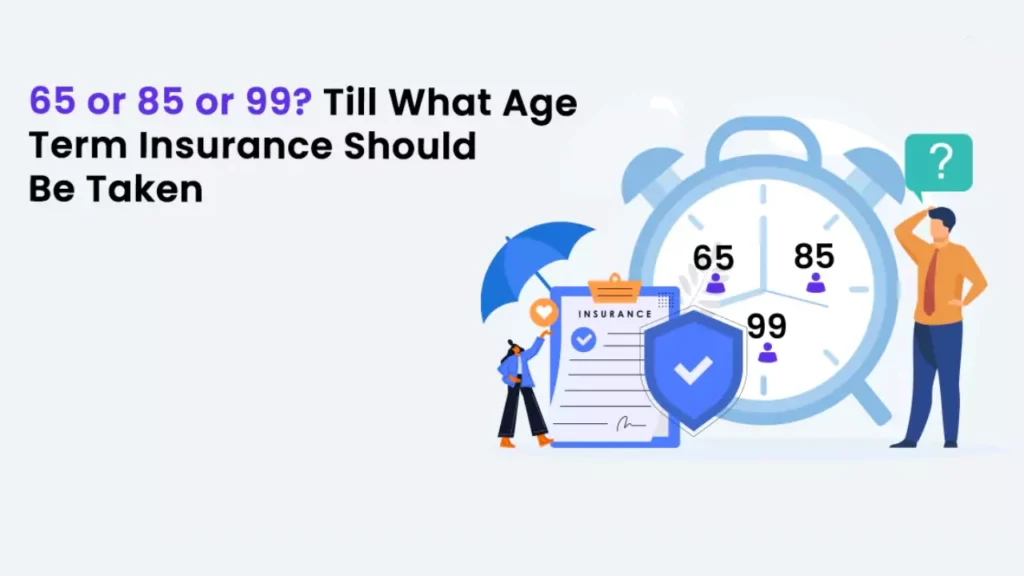
The entry age for term insurance is one of the first aspects to consider when purchasing a policy. Most insurers allow individuals to buy term life insurance at an age between 18 and 65 years. However, some insurance providers may extend this limit slightly, allowing individuals to purchase coverage as late as 70 or even 75 years old, depending on the insurer and the country in which the policy is offered. For those purchasing term insurance at a younger age, the premiums are typically lower, making it an excellent option for people looking to provide long-term financial security for their families. As you get older, however, premiums can increase due to the higher risk the insurer assumes.
Maximum Age for Term Insurance Coverage
On the other hand, the maximum age for term insurance coverage refers to the age at which the policyholder’s coverage ends. Generally, the maximum age for most policies is between 75 and 85 years. Some insurers may offer policies that extend the coverage up to 90 years or even 99 years in rare cases, though these options are usually limited. As a general rule of thumb, the older the individual is when purchasing term insurance, the shorter the term length will be. For example, if you purchase a policy at age 60, the maximum term length you can opt for may be 15 to 20 years, covering you until you reach 75 or 80.
Age and Premium Rates: How They Are Linked?
One of the most significant factors that affect your term insurance age limit is the premium you’ll pay. Insurance companies evaluate the risk of insuring an individual based on their age, and as such, premiums tend to rise as the policyholder gets older. This is because older individuals are statistically more likely to pass away during the term, making them a higher risk for insurers. If you’re purchasing term insurance in your 20s or 30s, your premiums will likely be relatively low. This is because insurers consider younger individuals less likely to develop health issues that could increase their risk.
Medical Exams and Age Limits for Term Insurance
Most term insurance policies require applicants to undergo a medical exam to determine their health status. The purpose of this exam is to assess the applicant’s overall health and determine the risk level for the insurer. Older individuals who apply for term insurance may face more stringent health requirements or higher premiums, as their age can lead to a higher risk of developing health issues. For instance, if you are in your 40s or 50s, insurers may ask for additional health screenings or reports. If you are 60 or older, a more extensive examination may be required.
The Importance of Buying Term Insurance Early
As we’ve discussed, age plays a significant role in determining your eligibility for term life insurance. The term insurance age limit can restrict your ability to secure coverage as you grow older, and purchasing a policy at a younger age offers several advantages. Here are a few reasons why buying term insurance early is a good idea:
- Lower Premiums: The earlier you buy term insurance, the more affordable your premiums will be. By locking in a low premium rate, you can enjoy coverage without the burden of high costs.
- Longer Coverage Period: If you buy term insurance in your 20s or 30s, you can secure coverage for a longer period, ensuring that your family is protected for many years to come.
- Financial Security for Your Family: The younger you are, the less likely you are to have existing health issues, which means you may be able to get a better policy. This allows you to provide financial security for your loved ones at an affordable cost.
Example of How Term Insurance Works with Age Limits
Let’s take a look at an example to better understand how term insurance age limits can affect the type of policy you can purchase.
Suppose you are 25 years old and are looking to purchase a term life insurance policy with a 20-year term. In this case, the age limit would likely not be an issue, and you could secure a policy that would cover you until you turn 45. The premiums would likely be quite low because you are young and in good health. Now, let’s say you are 50 years old and want to purchase a 15-year term policy. In this scenario, the term insurance age limit might restrict your options, as the insurance company may only offer you a policy with a maximum coverage term of 10-15 years due to your age. Your premiums would also be higher because of the increased health risks associated with aging.
Factors Affecting the Term Insurance Age Limit
While the general term insurance age limit is between 18 and 65 years for buying a policy, several factors can influence the exact age limit you may face. These factors include:
- Health: Your health status plays a significant role in determining your eligibility for term insurance. If you have pre-existing health conditions, you may face higher premiums or stricter age limits.
- Occupation: Some insurers may place restrictions on term life insurance coverage based on the applicant’s occupation, especially if the job involves high-risk activities.
- Policy Type: Different types of term insurance policies may have varying age limits, depending on the insurer’s offerings.
Conclusion
Understanding the term insurance age limit is crucial when considering life insurance options. The age at which you buy term insurance can significantly impact your coverage, premiums, and long-term financial security. While purchasing a policy at a younger age allows for more affordable premiums and longer coverage, it’s essential to explore your options if you’re older. Keep in mind that different insurers have different age limits and terms, so it’s always worth comparing policies to find the best fit for your needs.