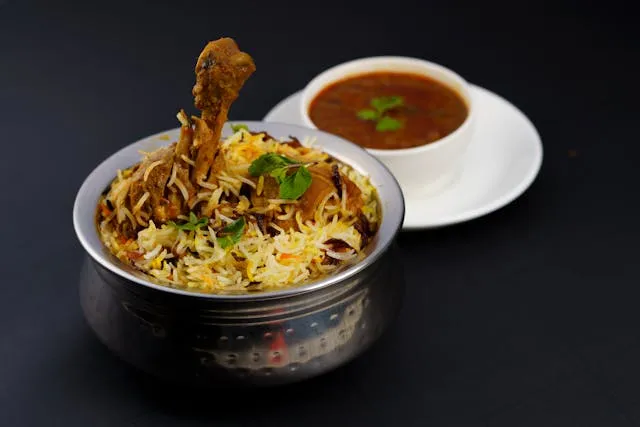
Indian cuisine holds a respected place in global food culture, known for its layered flavors, regional depth, and centuries old traditions. Among the many restaurant groups that present this cuisine to a broad audience, All India Restaurants has earned recognition for its steady commitment to authenticity and quality. Built on cultural respect and culinary discipline, the brand has become a dependable choice for guests who value genuine Indian food served in a welcoming setting.
Also Read: Why Local Flower Delivery Services Create More Meaningful Gifts?
Origins and Purpose
All India Restaurants was established with a simple yet meaningful purpose: to showcase the full scope of Indian cuisine under one roof. Rather than focusing on a single regional identity, the founders aimed to reflect India as a whole, drawing inspiration from its varied landscapes, climates, and food customs. This vision helped shape menus that feel complete rather than selective.
From its early days, the restaurant emphasized recipes rooted in tradition. Family style cooking methods, time tested spice combinations, and careful preparation became the foundation of the brand. These principles remain central to its identity today.
Kitchen Standards and Ingredient Quality
At the core of All India Restaurants is a strong kitchen ethic. Ingredients are selected with attention to freshness and origin. Whole spices are preferred so chefs can control aroma and balance. Vegetables are handled with care, meats are marinated thoughtfully, and dairy products are used in ways that reflect classic Indian techniques.
Chefs are trained in regional cooking methods that prioritize timing, texture, and patience. Slow simmered gravies, freshly prepared breads, and delicately spiced rice dishes demonstrate a respect for process. This approach ensures that each meal reflects skill rather than shortcuts.
Menu Structure and Regional Balance
The menu at All India Restaurants is designed to offer balance and variety. Guests can choose from North Indian curries, South Indian specialties, lentil based dishes, grilled items, and rice preparations that highlight different cooking styles. Vegetarian selections hold a central place, reflecting India’s long standing plant based food traditions.
Non vegetarian dishes are prepared with equal care, featuring spice blends that enhance rather than overpower natural flavors. Desserts complete the meal with milk based sweets and traditional confections that provide comfort and richness.
Atmosphere and Hospitality
Dining spaces at All India Restaurants are created to feel warm and inclusive. Decor often includes subtle cultural elements, earthy tones, and thoughtful lighting that encourages relaxed meals. The layout supports both family gatherings and quieter dining preferences.
Service staff are trained to understand the menu in detail, helping guests make choices that match their taste and spice tolerance. This level of attentiveness adds confidence for diners who may be new to Indian cuisine.
Consistency and Brand Trust
As the brand expanded, maintaining consistency across locations became a priority. Standardized recipes, training programs, and kitchen systems help ensure that guests receive the same quality experience regardless of location. This reliability has played a major role in building customer trust over time.
In a market where diners often compare options and read reviews before choosing where to eat, consistency becomes a major advantage.
Position Within Modern Dining Conversations
Today’s diners actively research restaurants, often reading comparisons and feedback online. It is common to see searches that include terms like Mykos Craft Kitchen & Bar reviews while people evaluate different dining options. Within this environment, All India Restaurants stands apart by offering a clear identity rooted in tradition rather than trend driven presentation.
While many establishments aim to impress through novelty, All India Restaurants focuses on depth, familiarity, and cultural honesty. This approach resonates strongly with guests seeking substance over spectacle.
Health Awareness and Menu Flexibility
Modern awareness around health and dietary balance has influenced how guests approach dining. All India Restaurants accommodates these preferences by offering dishes that can be adjusted for spice level and richness. Many menu items naturally align with balanced eating due to the use of lentils, vegetables, fermented batters, and gentle cooking methods.
Clear menu descriptions and knowledgeable staff help guests make informed choices without sacrificing authenticity.
Cultural Role and Community Connection
For many patrons, All India Restaurants serves as more than a dining venue. It is a place tied to memory, celebration, and cultural connection. Families gather for important occasions, while others visit to reconnect with familiar flavors or experience Indian food in its traditional form.
The brand’s involvement in cultural events and festive menus strengthens this connection, allowing guests to engage with Indian traditions through food.
Looking Ahead
The future of All India Restaurants appears steady and well grounded. As interest in authentic global cuisine continues to grow, the brand’s commitment to traditional methods positions it strongly. Rather than reinventing itself, it focuses on refinement, service improvement, and sustainable operations.
This steady path supports long term relevance without compromising identity.
Conclusion
All India Restaurants represents a thoughtful expression of Indian culinary heritage. Through disciplined cooking, ingredient respect, and consistent service, it has earned lasting trust among diners. Even as customers compare experiences and search terms like Mykos Craft Kitchen & Bar reviews while making dining decisions, this restaurant group remains a dependable choice rooted in authenticity.
Its success confirms that traditional Indian cuisine, when prepared with care and presented honestly, continues to hold deep value in the modern dining world.