
Anti-Müllerian Hormone, often called AMH, plays a key role in female fertility. Doctors use it to estimate ovarian reserve. Many women search for amh levels by age to understand their fertility health. This explains what AMH means, how it changes over time, and how to read your results in a simple way.
What Is AMH and Why It Matters?
AMH is a hormone made by small follicles in the ovaries. These follicles hold immature eggs. The level of AMH in your blood shows how many eggs remain in your ovaries. Doctors use this test to assess fertility potential and plan treatments. AMH levels by age do not change much during the menstrual cycle, so you can test at any time. This makes it a reliable marker compared to other hormones. When you check amh levels by age, you can better understand your reproductive stage.
How AMH Changes Over Time?
A woman is born with all the eggs she will ever have. The number declines naturally with age. AMH levels follow this pattern. They peak in early adulthood and slowly drop as a woman gets older. Understanding amh levels by age helps you see where you stand in this natural process. Younger women tend to have higher AMH, while older women often show lower values, just like how trends change over time such as shreeman legend age becoming a searched topic among fans.
Normal AMH Levels by Age
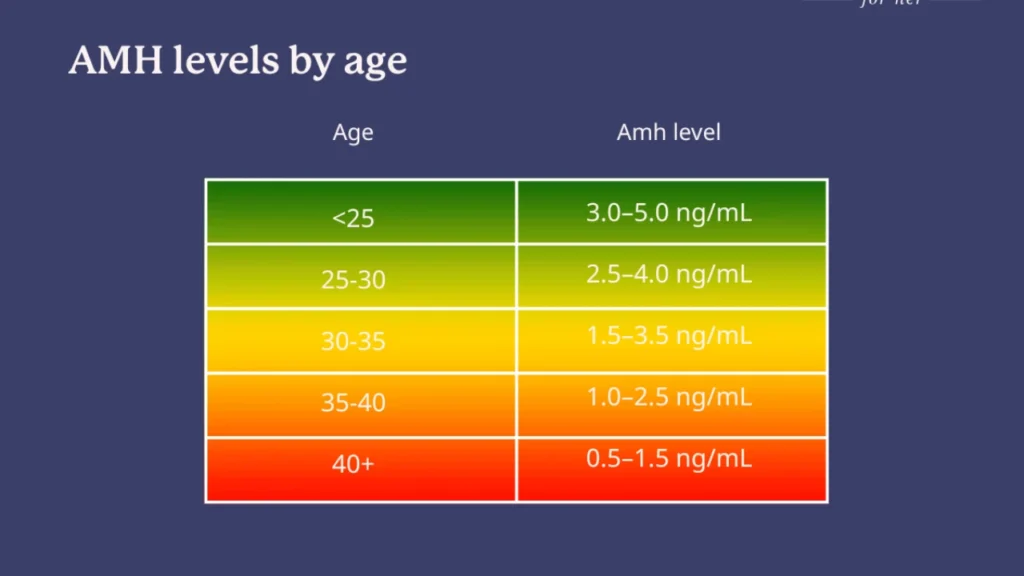
The table below shows typical ranges based on age. These values may vary slightly between labs, but they offer a useful guide.
| Age Group | AMH Level (ng/mL) | Meaning |
|---|---|---|
| 20–24 | 3.0 – 6.0 | High ovarian reserve |
| 25–29 | 2.5 – 5.5 | Good fertility range |
| 30–34 | 1.5 – 4.0 | Normal reserve |
| 35–39 | 1.0 – 3.0 | Slight decline |
| 40–44 | 0.5 – 2.0 | Reduced reserve |
| 45+ | 0.1 – 1.0 | Very low reserve |
These values show how amh levels by age decrease gradually. A steady decline is normal and expected.
What Is Considered a Good AMH Level?
Doctors often look at AMH along with age. A “good” level depends on your life stage.
| AMH Level | Interpretation |
|---|---|
| Above 4.0 | High level, possible PCOS |
| 1.0 – 3.0 | Normal range |
| 0.5 – 1.0 | Low reserve |
| Below 0.5 | Very low reserve |
A normal AMH level does not guarantee pregnancy, but it shows a healthy number of eggs. When comparing amh levels by age, always consider both factors together.
High AMH Levels: What They Mean?
High AMH levels often suggest a large number of follicles. This may sound positive, but it is not always ideal. Women with Polycystic Ovary Syndrome (PCOS) often have high AMH levels. Their ovaries contain many small follicles, but ovulation may not occur regularly. Doctors may run more tests to confirm the cause of high AMH. They may also check symptoms like irregular periods or acne.
Low AMH Levels: Causes and Concerns
Low AMH levels indicate fewer remaining eggs. This condition is called diminished ovarian reserve. Several factors can lead to low AMH:
| Cause | Explanation |
|---|---|
| Age | Natural decline over time |
| Genetics | Family history of early menopause |
| Surgery | Removal of ovarian tissue |
| Medical treatment | Chemotherapy or radiation |
Low AMH does not mean you cannot get pregnant, especially if you are younger. Many women with low levels conceive naturally. When reviewing amh levels by age, younger women often have better egg quality even with low numbers.
AMH and Fertility Treatments
Doctors use AMH to plan fertility treatments like IVF. It helps predict how the ovaries will respond to medication.
| AMH Level | IVF Response |
|---|---|
| High | Risk of over response |
| Normal | Balanced response |
| Low | Fewer eggs retrieved |
AMH helps doctors adjust treatment plans, but it does not predict success rates alone. Age and egg quality still matter most.
AMH vs Egg Quality: What You Should Know?
Many people think AMH shows egg quality, but this is not true. AMH only reflects the number of eggs. Egg quality depends mainly on age, not AMH level. A younger woman with low AMH may still have healthy eggs. An older woman with higher AMH may still face quality issues. This is why doctors always consider amh levels by age together instead of looking at AMH alone.
When Should You Test AMH?
Women may check AMH levels for several reasons. It helps in planning pregnancy or understanding fertility health.
| Situation | Reason for Testing |
|---|---|
| Trying to conceive | Check ovarian reserve |
| Irregular periods | Rule out PCOS |
| Before IVF | Plan treatment |
| Family planning | Estimate fertility timeline |
Testing early can provide better options, especially if you plan to delay pregnancy.
Lifestyle and AMH Levels
Lifestyle does not directly increase AMH, but it supports overall reproductive health. Healthy habits can protect egg quality.
| Healthy Habit | Benefit |
|---|---|
| Balanced diet | Supports hormone health |
| Regular exercise | Maintains weight balance |
| Avoid smoking | Protects ovarian reserve |
| Stress control | Supports hormone balance |
Smoking is strongly linked to lower AMH levels, so avoiding it is important.
Common Myths About AMH
Many myths confuse people about AMH testing. Understanding the truth helps you make better decisions.
- Myth 1: AMH predicts pregnancy chances exactly AMH shows egg quantity, not the ability to conceive.
- Myth 2: High AMH means better fertilit High levels may indicate PCOS, which can affect ovulation.
- Myth 3: Low AMH means no chance of pregnancy Women with low AMH can still conceive naturally.
Knowing these facts helps you interpret amh levels by age more clearly and avoid panic.
How to Improve Fertility Awareness?
Understanding your body is the first step toward better reproductive health. Tracking cycles, maintaining health, and consulting doctors can help. Early testing and awareness provide more choices for future family planning. If you understand amh levels by age, you can take timely action and make informed decisions.
Final Thoughts
AMH is a powerful tool for understanding ovarian reserve. It gives insight into how fertility changes over time. However, it is only one part of the bigger picture. Age remains the most important factor in fertility, and AMH should always be interpreted alongside it. When you study amh levels by age, you gain a clearer view of your reproductive health. If you have concerns about your AMH level, speak with a healthcare provider. They can guide you based on your age, health, and future goals.